If you're a U.S. or Canadian buyer looking at Belize, "Can I actually own property there?" is the right question. The answer is YES, but how you buy matters.
If you’re a U.S. or Canadian buyer looking at Belize, you’re probably asking the question the right way. Not “Is Belize beautiful?” (it is). But “Can I actually own property there — safely, legally, and without weird restrictions?”
The straightforward answer is YES: foreigners can buy and own property in Belize. And compared to many countries in the region, Belize is unusually investor-friendly in how it handles foreign ownership.
But that’s only the first layer. The real question is how to buy in a way that protects you long-term — especially if you’re looking for retirement optionality, passive income, or development upside.
Let’s break it down.
Yes, foreigners can own property in Belize
Belize allows foreigners to buy and hold real property, including land and homes, in their own name. There is no requirement to use a local partner. This is one reason Belize keeps coming up in conversations around offshore diversification and retirement planning.
That said, “allowed” is not the same thing as “done correctly.” Buying in Belize is simple when it’s handled properly — and confusing when it isn’t. The difference comes down to due diligence.
Why investors keep shortlisting Belize
Most countries can sell you a view. Fewer can sell you a structure. Belize is widely viewed as structurally attractive for foreign investors because it combines several features that, together, are hard to find in one place:
- An English-speaking environment
- A legal system derived from British common law
- A tax framework that many investors find favorable when compared to more heavily taxed jurisdictions
Belize’s currency is also pegged to the U.S. dollar, which adds a layer of predictability for many foreign buyers thinking in USD terms.
Then there’s the market engine: tourism.
Belize’s tourism growth has been strong in recent years, which matters because tourism is one of the main demand drivers for vacation rentals, hospitality assets, and high-performing coastal property. If your goal is passive income, tourism demand is not a “nice to have.” It’s the underlying business model.
The investor-grade due diligence checklist (in plain English)
If you’re buying a personal residence, you want peace of mind. If you’re buying as an investor, you want peace of mind and downside protection. In Belize, that comes from focusing on five fundamentals:
Title clarity and legal review
Your first job is to confirm the title is clean and transferable. You want competent legal review, correct searches, and a closing process that’s built to reduce unpleasant surprises later.
Location that makes economic sense
Belize has multiple distinct markets. Some locations are tourism-driven. Some are retirement-driven. Some are land-banking and development plays. Investors get into trouble when they buy a lifestyle property in a market that doesn’t support rental performance — or buy land without understanding access, utilities, and future demand.
Replacement cost logic
In some areas, build costs and logistics make replacement cost surprisingly high. That matters for long-term value support. If you’re buying something with strong replacement cost dynamics, you’re often buying something with built-in resilience.
Rental performance reality
Short-term rental success isn’t magic. It’s product-market fit: proximity, walkability, water access, property quality, management, and seasonality. Investors should look at realistic occupancy patterns and pricing — not peak-season fantasies.
Exit optionality
A serious investor always asks: “Who buys this from me later?” That could be another foreign investor. It could be a retiree couple. It could be a developer. The smartest purchases in Belize are the ones with multiple plausible exit buyers.
Where do foreign buyers typically invest?
Most foreign demand clusters around a few recognizable areas because they offer the strongest blend of lifestyle and liquidity.
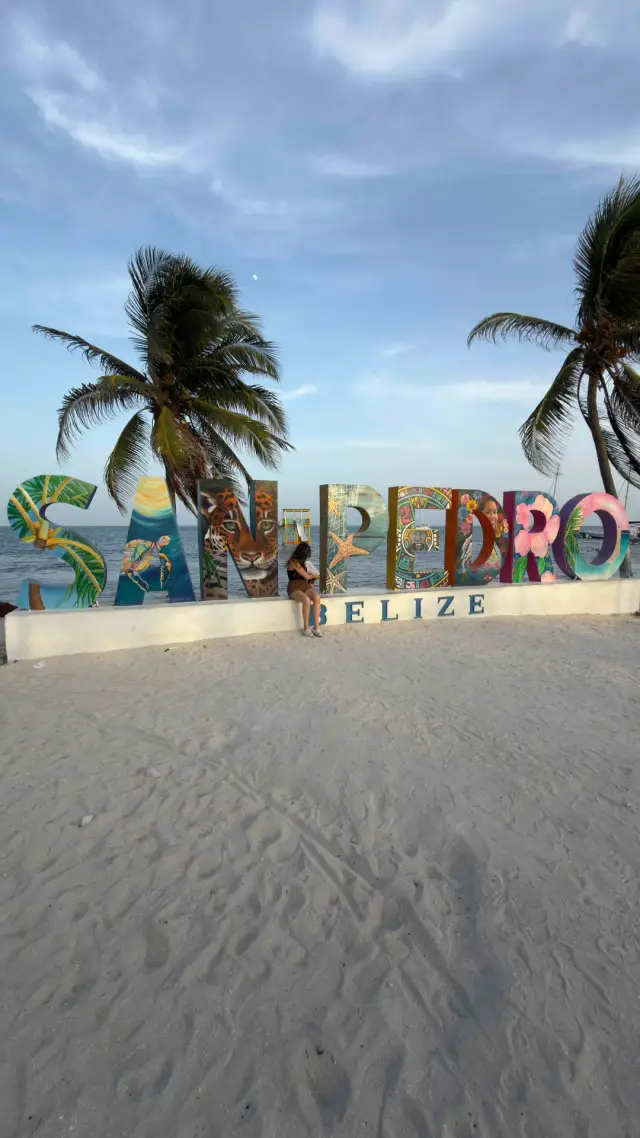
- Ambergris Caye (San Pedro) is the flagship market — high tourism visibility, strong rental demand in many segments, and deep foreign-buyer familiarity.
- Placencia draws buyers who want a beach lifestyle with a calmer feel and a strong long-term trajectory.
- The Cayo District appeals to buyers who want jungle, acreage, and a different kind of lifestyle asset — often with lower price points and a different demand profile.
Each region can work — but the strategy changes by region. A condo rental plan and a land-banking plan are not the same plan.
Common mistakes first-time investors make
Belize is friendly — but that friendliness can make people too relaxed with their decision-making. The most common errors are predictable:
- Some buyers fall in love with the view and stop asking structural questions.
- Some buyers assume “cheap” means “undervalued,” without understanding why pricing is low (access, infrastructure, title complexity, or simply low demand in that micro-market).
- Some investors don’t plan for management, maintenance, or operational reality, especially if the property is meant to generate income.
None of these are fatal mistakes — as long as you know them before you buy.
So… is Belize a good investment?
Belize can be an excellent investment for the right buyer, in the right location, with the right time horizon. It isn’t a shady “get rich quick” market. It’s a market that tends to reward:
- Buyers who think in years, not weeks
- Buyers who want lifestyle optionality alongside return potential
- Buyers who understand tourism, scarcity, and legal structure
- Buyers who do due diligence the way they would at home
If that’s you, Belize tends to show up as one of the most compelling small-jurisdiction opportunities in the region.
The fastest way to reduce risk is simple: work with the right team
Most investors don’t lose money in Belize because Belize is “risky.” They lose money because they buy the wrong asset with the wrong assumptions — and no local clarity.
If you’re considering Belize real estate, we’ll help you evaluate your options with an investor’s lens: location fundamentals, rental viability, title process, and long-term positioning.
Contact Will Mitchell and the RE/MAX Belize team to discuss what you’re trying to do — retirement, passive income, relocation, development — and we’ll help you map the smartest path forward.
Sources
- U.S. Department of Commerce / International Trade Administration (Trade.gov), Belize market and business environment materials
- International Monetary Fund (IMF) reporting on Belize macroeconomic conditions and tourism performance
- Government travel advisories and public guidance (for general country context only, not investment advice)
Keep reading
Related Articles


On the market
Featured Properties
Explore some of our newest and most exclusive listings currently available in Belize.
Next step
Ready to start your search?
Connect with a buyer advisor who lives in Belize and knows the market inside out.