Fresh herbs by the kitchen, containers on a coastal terrace or a mango tree in the yard: explore edible gardening in Belize around the home and meals you want.
Some of the best things about a Belize home can fit in a colander.
Chives for the eggs. Basil for the tomatoes. A mango carried in from the yard and eaten over the sink.
Growing a little of what you eat adds a very particular pleasure to home life. You start noticing new leaves, changing light and the difference between something nearly ripe and something you should have picked yesterday. The garden begins suggesting what is for dinner.
It also gives you a useful way to think about the home itself. Three pots by the kitchen and a yard full of fruit trees ask very different things of a property, and of the person holding the hose.
Start with what you reach for while cooking
Begin with the ingredients you repeatedly wish you had fresh. If you cook with basil twice a week, that is an excellent reason to grow basil. A lengthy seed order can wait until you discover whether you enjoy watering things.
For a balcony or small patio, basil, chives and mint make a satisfying starting point. Pro-Organic Belize’s basil guide describes both familiar sweet basil and a small-leaved local basil. It recommends pinching back flowering tips to encourage bushy growth. The cut leaves can go straight into the meal.
Chives bring onion or garlic flavours to eggs, rice and soups. Give mint its own pot to contain its spreading habit, then put the trimmings in iced tea. Choose a spot with light suited to each plant and a water supply close enough that tending them remains pleasant.
A first garden should earn its place in your meals. You can expand when you find yourself reaching for the scissors more often.
Let the coast set a few terms
At a coastal home, look beyond the view from the balcony. Which corner has useful sun and shelter from direct sea spray? What is the planting soil like? What water will you use, and is it suitable for irrigation?
Salt carried onto leaves and salt around roots create different growing problems; irrigation-water quality matters too. University of Florida extension guidance also explains how persistent wind can affect tropical fruit crops. A plant’s tropical origins are a poor substitute for checking its needs.
Containers offer a manageable place to begin. You choose the growing mix and can move a pot as you learn where it does best. Pro-Organic Belize’s container guide recommends drainage holes and a loose potting mix rather than heavy garden soil. Check moisture regularly; exposed pots can need frequent attention in hot, dry weather.
For a food-growing discovery, consider Malabar spinach. The same local guide describes it as a heat-loving climbing green suited to its own pot with support. A supported vine makes use of vertical space when the footprint is small.
Before filling a condo balcony with containers, check building rules, drainage and permitted loads.
 Give the mango room to become a tree
A mainland yard can open up a different ambition: fruit from a tree you have watched grow. Before committing the best patch of ground, visit a local nursery and discuss the site, the variety and how much pruning you are willing to do.
Mango is a good example of why those details matter. UF/IFAS guidance distinguishes vigorous trees needing substantial space from smaller varieties managed through regular pruning. Full sun and drainage matter too. The sapling in its nursery bag is a misleadingly modest introduction.
Ask whether it is grafted, which variety it is and what local growers have learned about its size and fruiting. Belize’s Agriculture Department documents grafting work with mango, avocado, soursop and sapodilla. Those are useful conversations to have before choosing a tree for the spot beside the house.
Treat an established fruit tree as something to investigate when viewing a property. Ask when it last produced, what care it receives and whether its fruit is something you actually enjoy eating.
Learn the weather in your own yard
“Mainland Belize” covers very different growing conditions. The National Meteorological Service’s 1991–2020 records show average July rainfall of about 131 millimetres at Libertad in Corozal and 710 millimetres at Punta Gorda. A planting plan that suits one district may need changes in another.
Look at where water collects after rain and how you will water during dry spells. Ask nearby growers what succeeds there. Let the first season teach you before planting every available corner.
Local help makes that learning more enjoyable. Green Thumb BZ in Placencia lists herbs and vegetable plants; Belize Botanic Gardens near San Ignacio lists soil, mulch and coco products. Check current stock and discuss what suits your space.
Choose a home with room for your appetite
By now, the property questions become quite specific. You may want a sheltered balcony close to the kitchen, a courtyard with room for containers, or a sunny yard where a fruit tree can mature. If you will be away for months, include someone to tend the garden in the plan.
If your plans call for more time outside and a larger garden setting, a home with mature planting gives you something to enjoy while you decide what to add.
 Lot 537, North Ridge, Red Rock
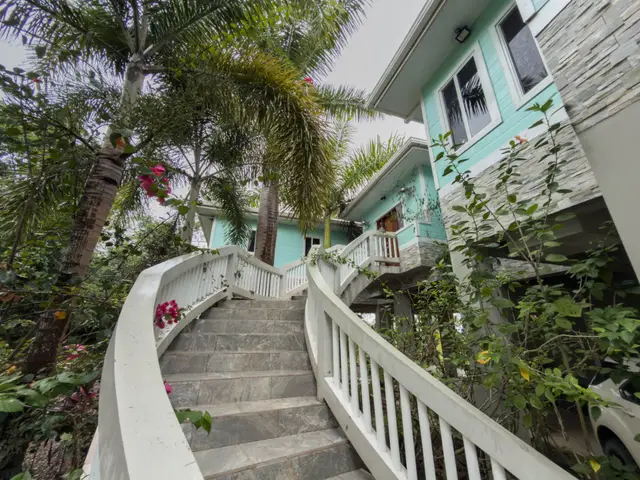
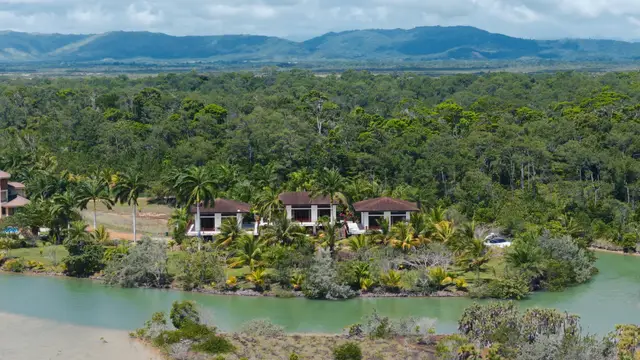
At Lot 537, mature trees, tropical flowers and established landscaping make the grounds part of the appeal. The fully furnished three-bedroom home and private pool offer an inviting place to settle in, with outdoor space to explore as you consider your own planting plans.
Offered at US$1,300,000, this home is worth a closer look if the grounds matter as much to you as the rooms. Contact Will Mitchell to arrange a viewing of Lot 537, and bring your garden wish list. Ask about sunlight, drainage and a suitable water supply as you walk the property, then imagine what you would most enjoy bringing back to the kitchen.



On the market
Featured Properties
Explore some of our newest and most exclusive listings currently available in Belize.
Next step
Ready to start your search?
Connect with a buyer advisor who lives in Belize and knows the market inside out.