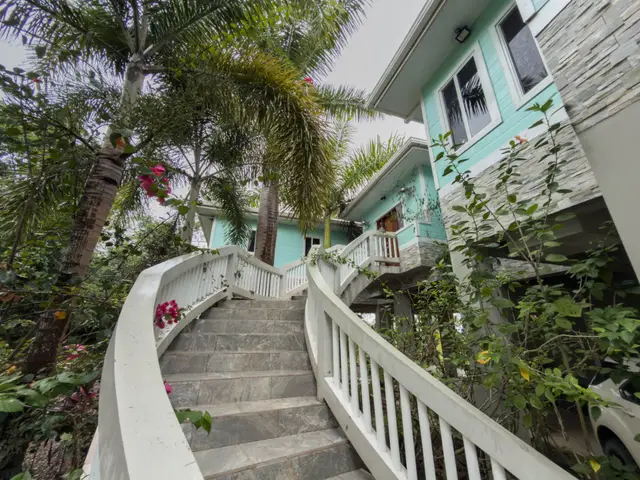
Belize’s growing household base and island workforce offer another way to assess property: homes that suit year-round residents, with practical locations and workable monthly rents.
Spend a week in a Belize holiday rental and it is easy to start doing the arithmetic. You know what you paid, you have enjoyed the house, and you can picture other people wanting the same experience. By the time you leave, you may already be looking at listings.
The search naturally follows the holiday. You look for the beach, the pool and the terrace where everyone would sit in the evening. All of those things can matter. Before settling on a property, though, it is worth looking at the place through the eyes of someone who will still be here after your flight leaves.
The person managing your stay has a home to get back to. So does the chef at the restaurant, the mechanic keeping the golf carts running and the person opening the office tomorrow morning. Their choices are part of the real estate market, too, although you will not learn much about them from a vacation-rental calendar.
That is where the conversation about long-term rentals in Belize gets interesting. You may have arrived thinking about a house for visitors and find yourself considering a home for the people who make the destination work.
 The people who stay
In an earlier article about Belize’s economic development, I wrote: “A growing property market needs much more than real estate agents.” Housing is one of the most practical ways to follow that thought through.
Three figures in our market report help put that working community in perspective:
Ambergris Caye’s tourism-related workforce: 5,062 active insured people in 2022, rising to a provisional 5,791 in 2024. That is a 14.4% increase in the Ambergris Caye employment area.
Belize’s household base: 110,719 households in the 2022 census, up from 79,492 in 2010, an increase of 39.3%.
The established rental market: one in five households rented nationally in the 2022 census; in Belize District, 29.7% rented, nearly three in ten.
The island figures count insured workers during each year; the district figures cover more than San Pedro. To turn that broader picture into a property decision, we need to look at the people who might actually live in the home.
A couple working nearby, a family needing another bedroom and someone moving for a job may all be looking for a home, but they will not necessarily want the same one. Choosing among properties becomes easier once you have a clearer idea of the person who would choose yours.
Will Mitchell:
“Before we talk about what you could earn from a house, I want to know who would rent it. That answer should guide what you buy and what you spend on it.”
 Follow the journey home
Go back to the property you liked and change the purpose of the visit. This time, think about arriving home after work, cooking dinner and getting ready to do it again tomorrow. The room that looked generous with two suitcases in it now needs to accommodate someone’s belongings.
Walk through it with a working week in mind:
Inside the home: check the kitchen, storage, privacy and space for washing and drying clothes.
On the journey to work: try the route to nearby workplaces and ask what transport costs. A pleasantly secluded holiday address can become an expensive or awkward daily commute.
After rain and after dark: look at the final stretch of the journey after rain. If the intended resident finishes work late, visit at that hour as well.
Shane Greenwell:
“I’d rather you spend another hour checking the route to work than discover afterwards that the people you hoped would rent the house can’t make the journey work.”
A simpler property may start to look more appealing. The features that make a working week easier may fit the intended resident better than expensive additions chosen to attract holiday bookings. You are deciding where to put your money by understanding how someone will use the home.
What can the resident pay?
Once you can picture that life, the budget becomes more concrete. Start with what comparable homes actually rent for, then consider the resident’s full monthly cost. Electricity, water and transport matter alongside the amount written into the lease.
Ask a local property manager about homes that have recently been let: what was agreed, what was included and how long it took to find a tenant. That gives you something firmer to work with than an asking rent on an old advertisement. Bring those answers back to the property you are considering and test the purchase and any improvements against them.
A useful comparison should include:
Recent agreed rents for similar homes in the same neighbourhood, with included services identified.
The repairs or changes needed before someone could comfortably move in.
Management, insurance, maintenance and an allowance for periods without a tenant.
A clear arrangement for handling repairs and responding when the resident needs help.
Will Mitchell:
“If the rent only covers your costs when nothing needs fixing, the budget needs another look. Looking after the home has to be part of the investment from the beginning.”
By this point, you may have crossed the original house off your list. You may have found that it is better suited to holiday guests, or that another address makes more sense for a year-round resident. Either is a useful outcome. You have made the choice by considering the person who would live there, rather than asking a property you happen to love to serve every possible purpose.
If you are exploring long-term rentals in Belize, get in touch with me and the team. We can help you look at the community, the homes available and the rental evidence together. The right address for a working week may be somewhere you would never have thought to look on holiday.
Keep reading
Related Articles


On the market
Featured Properties
Explore some of our newest and most exclusive listings currently available in Belize.
Next step
Ready to start your search?
Connect with a buyer advisor who lives in Belize and knows the market inside out.