A real solar quotation and an early roof plan show what to prepare before installing solar at a Belize home, from equipment and costs to roof measurements.
In the first part of this series, we looked at solar in daily use at Chris Letellier’s Belize home. His experience as a Greentech Solutions customer brings us to the next question: if you are planning your own home, what should you have ready before asking for a price?
I want to make that process easier to picture with two real documents: a sample quotation prepared for another home and the preliminary roof plan from Chris’s installation. Together, they show how a solar installation in Belize starts taking shape before any panels reach the roof.
Start with the house you will actually use
It is tempting to begin with a bedroom count. A three-bedroom home sounds like a smaller job than a four-bedroom home, but bedrooms tell an installer very little about the equipment running inside. Air conditioning, water heating, pumps and cooking equipment all matter, along with how long they will run.
Give your installer a picture of the property by bringing:
Your electricity bills and major appliance details for an existing home.
Construction drawings, the electrical plan and intended equipment for a new build.
Your plans for using the house: full-time living, occasional visits or rental guests.
Details of what needs to run overnight and any future additions, such as a pool.
That last point is worth thinking through early. It is easier to account for a pool while the system is being designed than after the equipment has been ordered. The same applies to a home that will eventually welcome more guests than it does today.
Reading a real solar quote
The sample quotation gives that conversation some numbers. Its three main components have different jobs:
Panels generate electricity. This quote lists 20 panels rated at 580 watts each, giving a combined panel capacity of 11.6 kW.
The inverter helps determine how much equipment can run at once. This proposal includes one 16 kW inverter.
Batteries hold energy for later use. Here, there are two outdoor lithium batteries, each rated at 51.2 volts and 300 amp-hours.
Those batteries have a combined nominal capacity of 30.72 kWh. Ask your installer how much stored energy will be available to the house and how long it should support the overnight loads you have discussed. That will help you decide whether the proposed batteries suit the way you expect to live.
 What the price includes
There is more on the quotation than those three components. Mounting brackets, cables, protective cases, electrical boxes and grounding equipment also appear. They are less photogenic than a finished rooftop, but they belong in the budget.
The figures are quoted in U.S. dollars:
Products: US$26,328.16
Listed 12.5% local sales tax: US$3,291.02
Product total including that tax: US$29,619.18
Installation, listed separately: US$5,000
The products, listed tax and installation come to US$34,619.18 for this example. When you request your own quote, ask for a complete breakdown, including shipping, duties, any tax on installation and exactly what the installation work covers. With that detail in hand, you can compare proposals on the same basis instead of wondering why one headline number looks lower.
 The roof conversation starts on paper
Chris’s preliminary roof plan, dated January 19, 2026, is useful because it shows the questions behind the drawing. The installer requested detailed roof dimensions, measurements of marked sections, timber dimensions and spacing, and a top view of the roof framing.
For a future owner, the lesson is straightforward: a roof needs to be measured and assessed, not simply described as large. Share the drawings early so the people designing the house and the solar installation can work through the available space and mounting requirements together. Chris’s preliminary drawings show the value of having these conversations early.
Make room for the equipment and its care
Chris also highlights equipment placement. Decide early where the inverter and batteries will go, whether the proposed equipment is suitable for that location and how technicians will reach it. Then look at what happens after installation. The sample quote labels the panels with a 15-year warranty and many other components with 10-year warranties.
Before agreeing to a proposal, ask for written answers to a few practical questions:
Which parts and replacement labour are covered?
Are service visits included, and who handles them locally?
What maintenance is your responsibility, and what might it cost?
Clear answers make it easier to budget for the system’s care. You now have more than a price: you have a picture of the equipment, the roof space it needs and how it will be looked after.
If you are planning a home in Belize, get in touch with me to talk through your property plans. Bring solar into the conversation early, while there is still room to make it fit the home you want.
Featured property: Solar-powered Secret Beach home
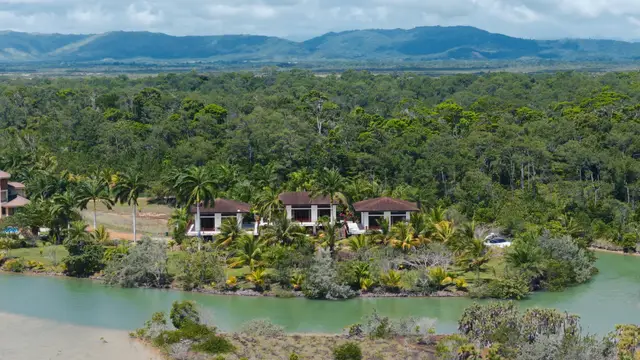
 Not every solar conversation starts with a new build. This furnished home in West Caye, near Secret Beach, is currently offered at US$335,000 with solar power and off-grid utilities already in place.
For someone considering an existing home, the questions change slightly: what equipment is included, what condition is it in, and will it suit the way you plan to use the property? Ask to see the system records and talk through how the system would handle your expected use. It is another way to put the planning in this article to work, without starting from an empty roof.
Keep reading
Related Articles



On the market
Featured Properties
Explore some of our newest and most exclusive listings currently available in Belize.
Next step
Ready to start your search?
Connect with a buyer advisor who lives in Belize and knows the market inside out.