Back to Insights
Two Pools, a Hot Tub and a Much Smaller Electricity Bill: Solar Power in Belize
Will MitchellOctober 21, 2026
Chris Letellier shares how solar fits his Belize vacation rental, from its electricity demands to the app visibility that matters when an owner is away.
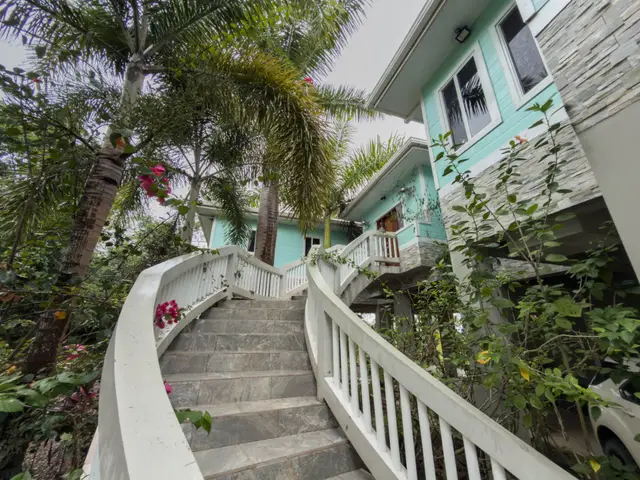
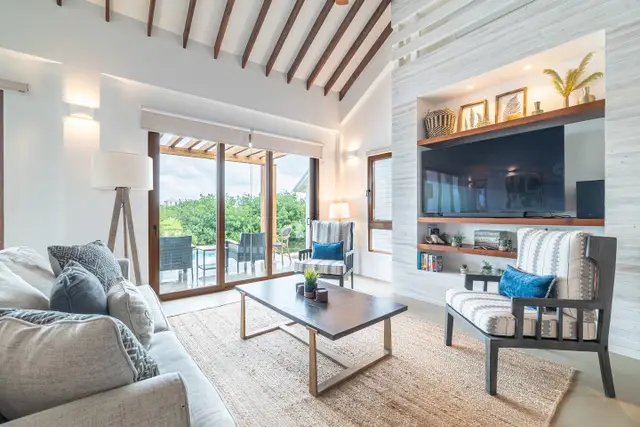
Chris Letellier’s Belize home has four bedrooms, four bathrooms, two pools and a heated hot tub. It also welcomes Airbnb guests, who arrive to enjoy the property rather than think about its electricity bill.
For Chris, that bill had become a reason to look seriously at solar. He wanted to bring down running costs while dealing with the outages he was experiencing on the island. His house brings a familiar question about solar power in Belize into focus: how do you keep the comforts you want while bringing the running costs down? Chris also shared another benefit of the installation: being able to see what the house is using without being there.
 A house with a serious electricity appetite
As a Greentech Solutions customer, Chris chose a custom installation for the property. The company’s published Letellier/Williams case study lists an installed cost of approximately US$45,000 and a 24 kW system with 42 panels, two inverters and three batteries.
The scale makes more sense alongside the electricity records Chris shared. His three BEL bills show:
June 18–July 17, 2026: 4,304 kWh; BZ$2,444.49.
July 17–August 17, 2026: 4,299 kWh; BZ$2,506.76.
August 17–September 17, 2026: 3,371 kWh; BZ$2,002.07.
The solar app gives another view of the house’s electricity use. In the operation-statistics screenshot Chris shared, it shows:
Running time: 31 days.
Total electricity purchased: 180.87 kWh.
Total solar production: 2.53 MWh.
Chris says he is buying much less electricity since installing solar. He describes the company’s website figures as conservative and says guest habits play a big part in how much power the house uses.
When the guests arrive
“Guests typically leave everything on,” Chris says. An owner knows the house, notices what is running and gets the bill. Guests have different priorities. They may use more of the house at once and leave equipment running longer, particularly in a property booked for its comforts.
Chris sees that difference in how long stored energy lasts overnight. He describes heavy-use nights when the house could start drawing from the grid around midnight or 2 a.m. The panels begin generating again with daylight.
The grid remains part of how his house operates. Solar and battery storage supply much of what it needs, with the connection available when the house needs more. A full booking can give the same installation a different workload from a quiet week with the owner. Guest habits affect consumption and how far stored energy goes, which makes visibility into the house especially useful.
Seeing the house from the U.S.
Chris also likes being able to follow what the system is doing as it happens. The live app screen he shared shows household consumption, battery status and power from the grid together. At that moment, the house was drawing on its batteries and the grid reading was zero.
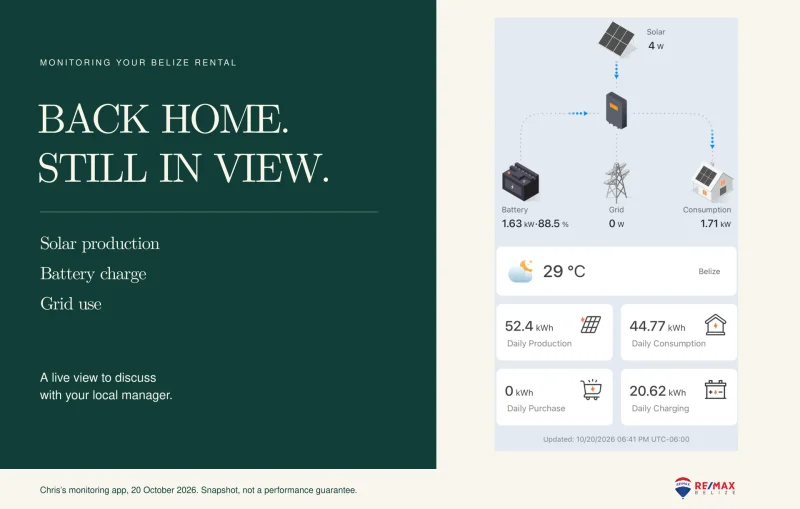
Now picture owning that rental while you are back in the U.S. Guests are staying in Belize, and the app lets you:
Check how much electricity the house is using without waiting for the next bill.
See battery status and whether power is coming from the grid.
Bring current readings to a conversation with your local property manager if usage looks different from what you expect.
Is the house busier this week? Has an equipment schedule changed? You have something concrete to discuss, even from a distance. That visibility is an appealing addition to the savings story: the property’s electricity use does not have to remain a mystery until the bill arrives.
 Keeping the comforts, understanding the costs
For Chris, solar has become part of running a demanding home. There are still two pools, a heated hot tub and guests enjoying their holiday. He can follow how the system is supplying the house, while keeping the grid available when it needs more. His experience gives prospective owners a useful starting point: think about how the property will operate when you are away, not just how you use it yourself.
In the second part, we look at what goes into planning a system for that home, from understanding a quotation to making room for the equipment.
If a home in Belize is part of your plans, get in touch so we can talk through how you want to use it, both during your own visits and when guests are staying.
Featured property: Secret Beach resort
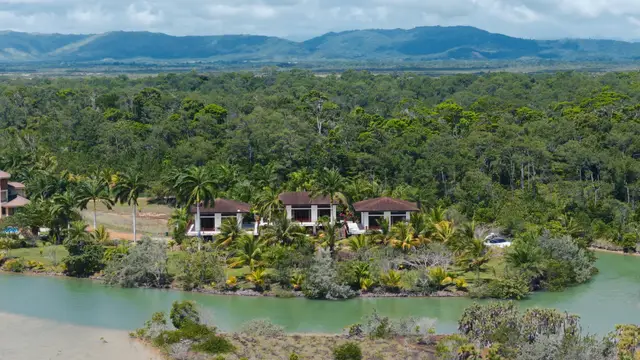
 Chris’s home is one example of solar supporting a property that welcomes guests. For a different scale of hospitality, the boutique eco-friendly resort currently listed in West Caye, near Secret Beach, brings four furnished units and a pool together on a 9,000-square-foot lot. The property is offered at US$797,500, with rooftop solar and off-grid utilities.
For anyone considering a property like this, the practical questions are familiar. How much power do guests use, what runs overnight, and how is the system looked after? Those are useful questions to bring to a viewing.
Keep reading
Related Articles



On the market
Featured Properties
Explore some of our newest and most exclusive listings currently available in Belize.
Next step
Ready to start your search?
Connect with a buyer advisor who lives in Belize and knows the market inside out.