Back to Insights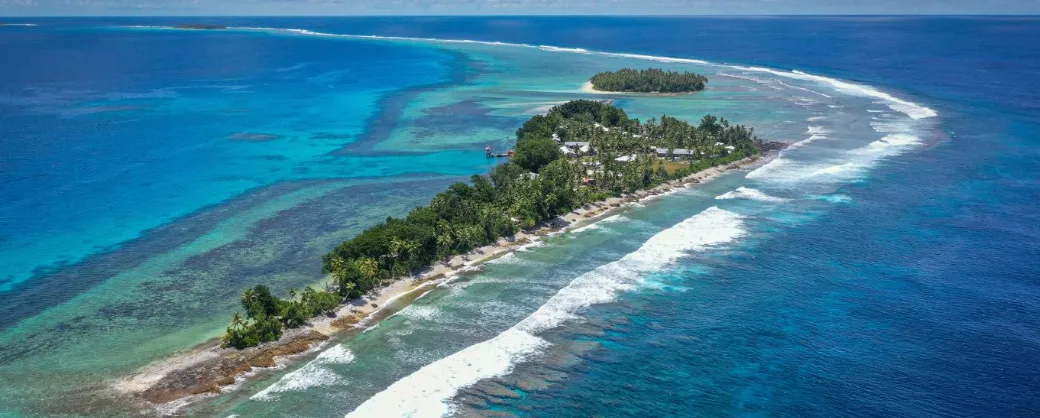
Rising Sea Levels in Belize: What Most People Get Wrong About Belize’s Coastline
Shane GreenwellMay 27, 2026
Rising sea levels are a real global conversation, but Belize’s coastline is far more unique than many people realize. In this article, we break down why Belize’s extremely small tidal variance, massive barrier reef system, low-density development, and evolving construction standards make the conversation around Belize real estate and climate change much more nuanced than the internet often suggests.
Rising Sea Levels in Belize: Why Belize’s Geography Is More Unique Than Most People Realize
Whenever people talk about coastal real estate and climate change, the conversation usually becomes extremely dramatic very quickly.
And yes, rising sea levels are a real long-term global conversation.
But one thing many people overlook when discussing Belize specifically is that Belize’s coastline and marine geography are actually very unique compared to many other Caribbean and coastal regions.
Especially when it comes to tidal variance and the structure of the Belize Barrier Reef system.
Belize Has Extremely Small Tidal Variance
One thing visitors notice almost immediately in Belize is how calm and stable the water often feels.
That’s not an accident.
Belize experiences relatively small tidal swings compared to many coastal regions around the world. In many parts of Belize, tidal variation is often measured in inches rather than the multiple feet seen in other countries.
That creates several effects:
calmer shorelines,
less aggressive daily water movement,
more stable coastal conditions,
and the famous “saltwater lake” feeling many people experience in places like Secret Beach.
In fact, one of the reasons Secret Beach became so popular is because people can walk hundreds of feet offshore while still standing in calm, shallow Caribbean water.
That type of geography is relatively uncommon.
The Belize Barrier Reef Changes Everything
Another major factor is the Belize Barrier Reef itself.
The reef acts like a massive natural buffer system running along much of Belize’s coastline.
Instead of large open-ocean wave energy directly hammering the shoreline the way it does in many other coastal destinations, the reef helps reduce:
wave intensity,
storm surge energy,
erosion pressure,
and coastal turbulence.
That’s one reason many areas in Belize often have unusually calm Caribbean water compared to other tropical destinations.
It also helps explain why some beachfront areas in Belize feel dramatically different than coastlines exposed directly to open Atlantic or Pacific ocean systems.
Now obviously, no reef eliminates all environmental risk.
But geographically, Belize benefits from one of the most important natural marine protection systems in the entire Western Hemisphere.
Belize Is Actually Better Positioned Than Many Coastal Markets
One thing that often gets missed online is that Belize is arguably in a stronger long-term position than many heavily developed coastal markets globally.
Why?
Because Belize still has:
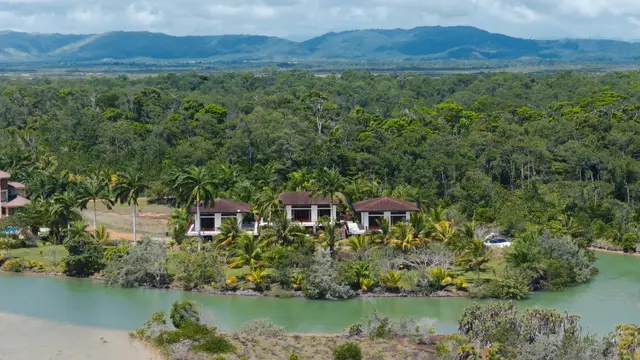
relatively low-density development,
substantial undeveloped land,
natural mangrove systems,
room for infrastructure adaptation,
and the ability to build intelligently moving forward.
Compare that to places where massive urban development already exists directly at sea level with almost no room for adjustment.
Belize still has flexibility.
That matters.
Especially long term.
Belize Already Builds for Coastal Conditions
Another thing many people don’t realize is that Belize has already been adapting to coastal realities for decades.
Modern homes and developments throughout the country commonly include:
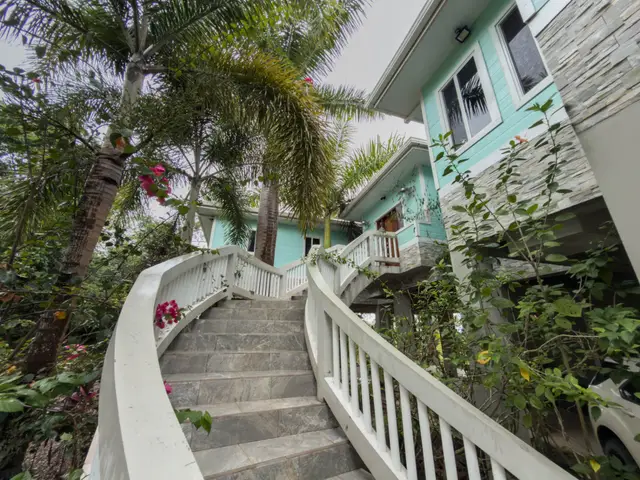
elevated foundations,
raised building pads,
stilt construction,
engineered drainage,
seawalls,
reinforced coastal infrastructure,
and hurricane-resistant building methods.
In places like Ambergris Caye and Secret Beach, elevated construction has become standard for many newer homes.
And honestly, that’s not only about storms or flooding.
Elevated homes also:
improve airflow,
maximize views,
reduce heat,
and perform better in tropical environments generally.
So adaptation is already deeply built into Belize’s real estate culture.
Mainland Belize Adds Another Layer of Protection
Another huge advantage Belize has compared to many island nations is mainland elevation diversity.
Belize isn’t just tiny flat islands.
The country also includes:
rolling hills,
jungle regions,
elevated inland developments,
and mountain systems like the Maya Mountains.
That gives Belize something many smaller island nations don’t have:
geographic diversification.
As the country continues developing, it’s likely we’ll see continued growth not only along the coast, but also in:
elevated mainland communities,
jungle eco-developments,
agricultural properties,
and inland luxury projects.
The Reality Most Serious Investors Understand
Most sophisticated real estate investors don’t avoid coastal markets entirely because of climate conversations.
Instead, they focus on:
infrastructure quality,
elevation,
engineering,
drainage,
developer reputation,
and long-term adaptability.
The same way investors still buy in:
Miami,
Malibu,
Hawaii,
the Bahamas,
or coastal Mexico,
investors in Belize simply need to approach opportunities intelligently.
And honestly, many people still believe Belize remains one of the strongest long-term value plays in the Caribbean because it combines:
low density,
natural beauty,
strong tourism growth,
reef protection,
and relatively early-stage development.
Final Thoughts
Rising sea levels are a real global discussion, and Belize is not immune to long-term environmental change.
But Belize’s geography is also far more unique and advantageous than many people realize.
The extremely small tidal variance, calm Caribbean waters, massive reef protection system, low-density development, and ability to continue adapting infrastructure all make Belize a very different conversation compared to many heavily overbuilt coastal regions around the world.
For buyers and investors, the key isn’t fear.
It’s understanding the geography, buying intelligently, and focusing on quality locations and developments built for the future.
And when you actually spend time in Belize and understand the coastline firsthand, you quickly realize the conversation is much more nuanced than the internet often makes it sound.
Keep reading
Related Articles


On the market
Featured Properties
Explore some of our newest and most exclusive listings currently available in Belize.
Next step
Ready to start your search?
Connect with a buyer advisor who lives in Belize and knows the market inside out.